
Landscape Planning: 7 Steps to Perfect Harmony 2024
Landscape planning is the art and science of crafting an outdoor space that balances beauty and function. Whether you’re revamping your front yard or designing a breathtaking garden, effective landscape planning is key. To start on this journey, consider these essentials:
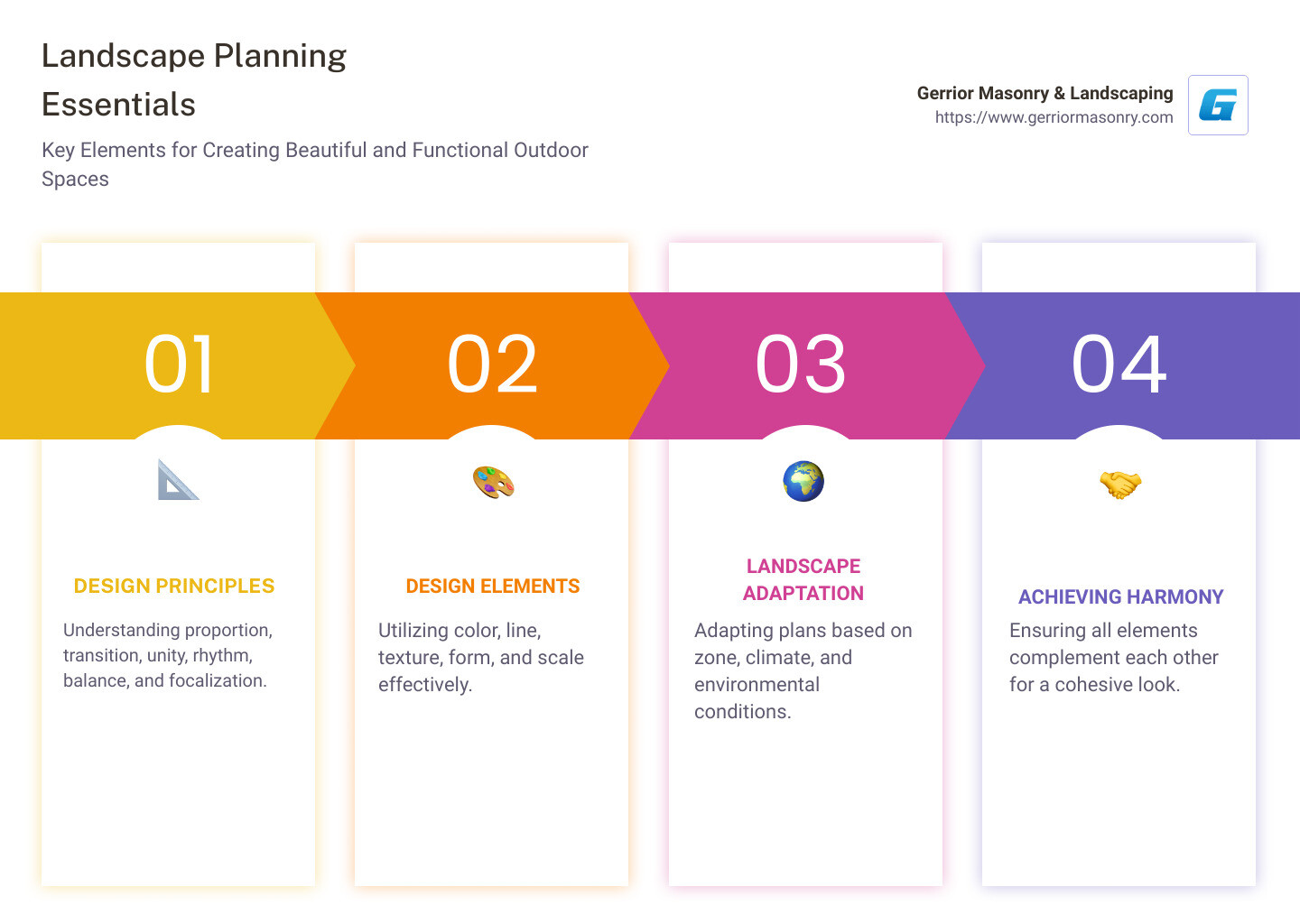
- Understand the principles of design: Proportion, transition, unity, rhythm, balance, and focalization.
- Leverage design elements: Color, line, texture, form, and scale.
- Adapt to your landscape: Recognize your zone, climate, and environment for optimal plant choices.
- Aim for harmony: Ensure all elements complement each other for a cohesive look.
In harmony with your home’s aesthetics and functionality needs, landscape planning turns ordinary spaces into extraordinary retreats.
I’m Joe Gerrior, and with over 34 years of experience in masonry and landscape construction, I specialize in landscape planning to bring homeowners’ visions to life. From Massachusetts, my team and I focus on creating landscapes that are not just visually stunning but also sustainable and practical.
Easy landscape planning word list:
– backyard garden design
– landscape design services
– landscape contractor
Understanding the Basics of Landscape Planning
Before you dive into planting or installing hardscapes, it’s crucial to understand the basics of landscape planning. This involves a thorough analysis of your site, including its microclimates, topography, and soil type. Let’s break these down:
Site Analysis
Start by taking a good look at your yard. What’s already there? Identify existing features like trees, shrubs, and structures that you plan to keep. Note the areas that need improvement or change. This will help you create a base map, a visual representation of your landscape.
Consider the specific conditions of your yard, such as how much sun or shade different areas receive. This can create microclimates, which are small areas with unique climate conditions.
Microclimates
Microclimates can be categorized into four types: full sun, partial shade, shade, or deep shade. These variations impact which plants will thrive in each area of your yard. For instance, some plants need lots of sunlight, while others prefer the cooler, shaded spots. Knowing your yard’s microclimates helps you select the right plants for the right places.
Topography
Topography refers to the shape and features of the land. Understanding how your yard slopes is vital. Proper landscape planning should promote water movement away from your home’s foundation. This prevents water from pooling near your house, which can cause damage over time.
Soil Type
Finally, get to know your soil. Is it sandy, clayey, or loamy? Each type has different drainage properties and nutrient levels. Conduct a soil test to determine its pH and nutrient content. With this information, you can make necessary amendments to improve soil health, ensuring your plants have the best chance to thrive.
By carefully analyzing these aspects of your site, you lay a strong foundation for successful landscape planning. You’ll be better equipped to make informed decisions that improve the beauty and functionality of your outdoor space.
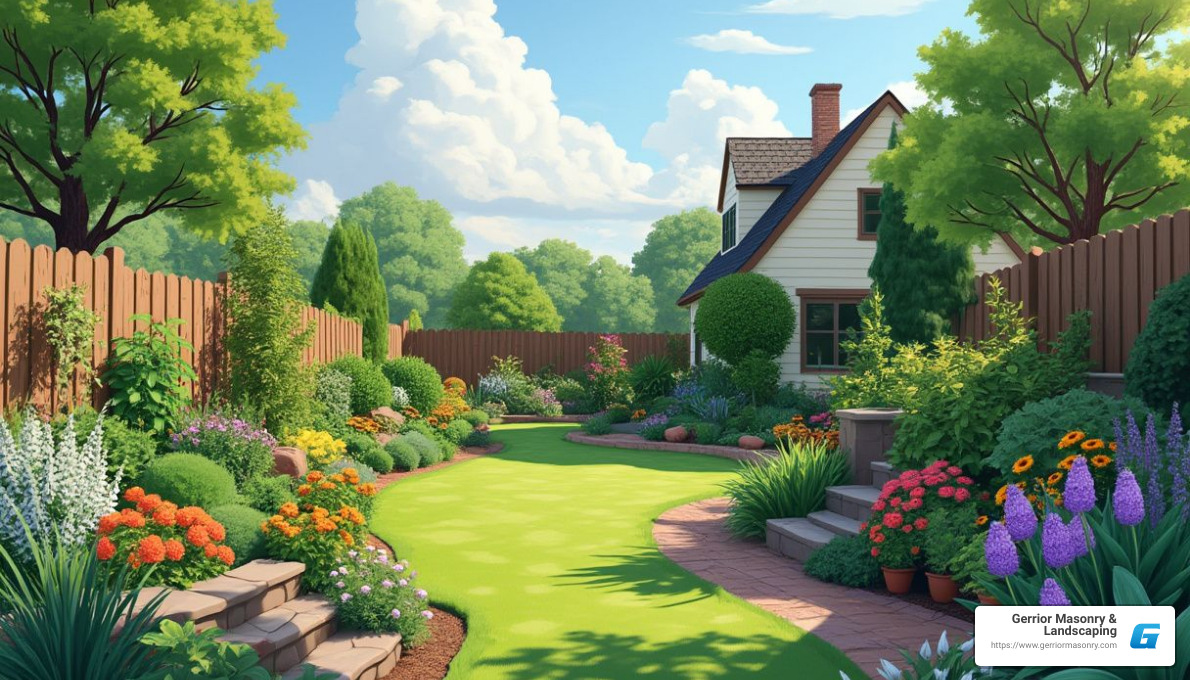
Next, we’ll explore the seven steps to effective landscape planning, starting with how to plan your landscape project.
The 7 Steps to Effective Landscape Planning
Plan a Landscape Project
Effective landscape planning starts with a solid plan. Begin by defining the project’s scope. Are you focusing on a small garden or an entire yard makeover? This will guide your budget and timeline.
Create a detailed plan by sketching your ideas on paper or using landscape design software like SketchUp. Consider the layout, features, and plant types you want. Planning saves time and money in the long run.
Remove the Lawn
Traditional lawns can be high-maintenance. Consider eco-friendly alternatives that require less water and upkeep. Options include native groundcovers, artificial turf, or mixed shrub borders. These choices not only reduce maintenance but also support local wildlife.
Install Hardscape
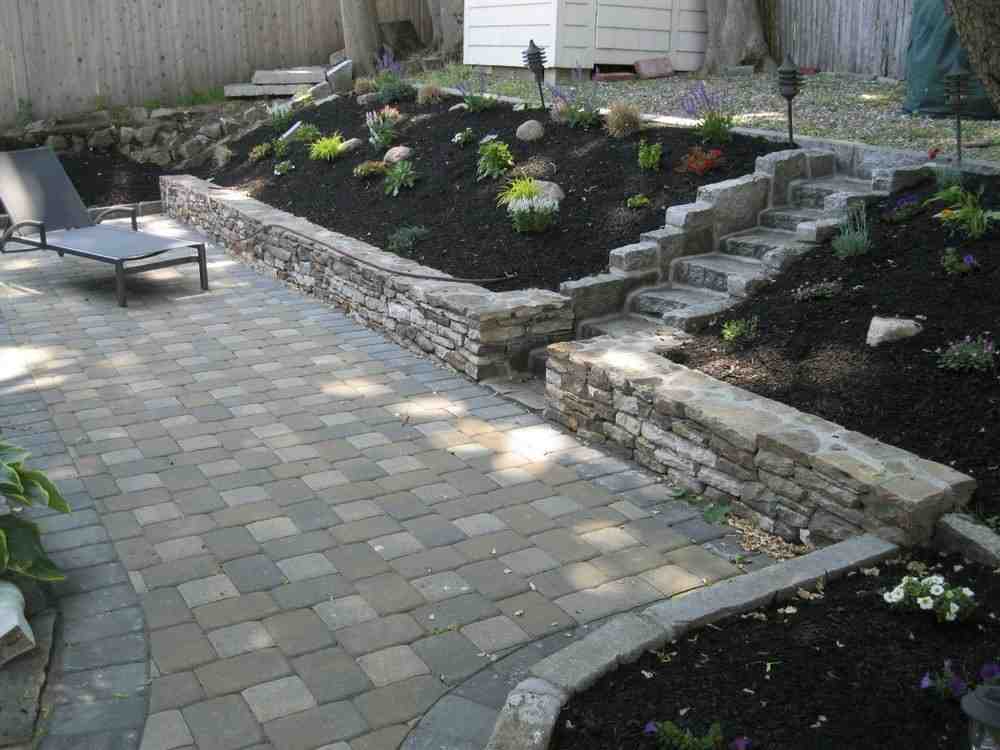
Hardscape elements, like patios and walkways, add structure and function to your yard. When designing a patio, think about how you’ll use the space. Is it for dining, relaxing, or entertaining? Choose materials like concrete for durability, natural stone for aesthetics, or pavers for versatility.
Walkways can guide visitors through your garden and connect different areas. Functional structures, like pergolas or retaining walls, add both utility and beauty.
Build Healthy Soil
Healthy soil is the backbone of a thriving garden. Start with a soil test to understand its composition and nutrient levels. Amend the soil with organic matter like compost to improve its structure and fertility. This provides a robust environment for plants to grow.
Install an Irrigation System
Watering efficiently is crucial for plant health and water conservation. Consider installing a drip irrigation system, which delivers water directly to plant roots, minimizing waste. Sprinkler systems are another option for larger areas. Smart systems can automate watering schedules based on weather conditions, ensuring your plants get the right amount of water.
Purchase & Install Plants
Choose plants that suit your yard’s microclimates and soil conditions. Native plants are a great choice as they are adapted to local conditions and require less maintenance. Look for drought-tolerant species to conserve water.
When planting, follow techniques that promote healthy growth. This includes proper spacing, planting depth, and mulching to retain moisture and suppress weeds.
Water Efficiently
Efficient watering is key to a sustainable landscape. Schedule watering during cooler parts of the day to reduce evaporation. Use smart irrigation systems that adjust watering based on weather forecasts. This not only conserves water but also ensures your plants receive the right amount of moisture.
By following these steps, you’ll create a landscape that is both beautiful and functional. Next, we’ll dig into the key principles of landscape design to further improve your outdoor space.
Key Principles of Landscape Design
When it comes to creating a stunning outdoor space, understanding the core principles of landscape design is crucial. These principles help ensure that your garden or yard is not only beautiful but also functional and harmonious. Let’s explore three key principles: Proportion, Order and Unity, and Repetition and Rhythm.
Proportion
Proportion is all about the relative size of different elements in your landscape. Think of it as the Goldilocks principle of landscape design—not too big, not too small, but just right.
Imagine a tiny shrub in front of a large house; it feels off-balance, right? That’s a proportion issue. Instead, larger foundation plants or trees can create a more balanced look. Similarly, using the golden ratio—a proportion that is naturally pleasing to the eye—can guide your design choices. For instance, when laying out a patio or garden bed, consider this ratio to achieve a harmonious look.
Order and Unity
Order and Unity bring a sense of harmony and consistency to your landscape. It’s like the theme of a well-composed song—everything works together seamlessly.
One way to achieve unity is by repeating certain elements, like plant shapes or colors, throughout your design. For example, using a consistent color palette or repeating the same type of plant at intervals can tie the whole space together. This repetition creates a cohesive look that feels intentional and well-planned.
Unity isn’t just about aesthetics; it’s also about functionality. Ensure that all elements serve a purpose and fit within the overall theme of your landscape. Whether you’re aiming for a serene Zen garden or a vibrant pollinator paradise, consistency is key.
Repetition and Rhythm
Repetition and Rhythm in landscape design guide the viewer’s eye and create visual flow. It’s like the beat in a piece of music—steady and predictable, yet dynamic.
Consider using lines, such as pathways or hedges, to direct attention and create movement within the space. Repeating elements like trees or shrubs at regular intervals can establish a rhythm that leads the viewer through the garden.
However, be careful not to overdo it. Too much repetition can become monotonous. Instead, balance repeated elements with variety to maintain interest and engagement.
By keeping these principles in mind, you can craft a landscape that is not only visually appealing but also thoughtfully organized. We’ll explore advanced techniques to further refine your landscape design.
Advanced Landscape Planning Techniques
Creating a Base Map
Creating a base map is a crucial first step in any successful landscape planning project. Think of it as the foundation upon which your entire design will be built. A base map provides a comprehensive view of your property, helping you visualize existing features and identify opportunities for improvement.
Mapping Tools and Plot Plans
To create a base map, you’ll need accurate measurements of your property’s dimensions. Start by using the plot plan you received when you bought your home. This document outlines your property’s perimeter lines and is often available online from city or county assessors.
For a more interactive approach, consider using mapping tools like online programs or downloadable applications. These tools allow you to create a digital version of your base map, making it easier to make changes and experiment with different layouts.
Existing Features
On your base map, sketch out existing features that you plan to keep. This includes property lines, trees, shrubs, walkways, walls, outbuildings, and patios. Don’t forget to mark the locations of doors, windows, utilities, and other services like septic systems. These details are vital for planning purposes and ensuring that new elements integrate seamlessly with what’s already there.
Design Concept Development
Once your base map is complete, it’s time to move on to design concept development. This step involves turning your ideas into a cohesive plan that reflects your vision for the space.
Bubble Diagrams and Usage Zones
Begin by drawing bubble diagrams on your base map. These are simple shapes—circles, ovals, or blobs—that represent different usage zones within your landscape. The goal is to brainstorm and explore various ways you might use different parts of your yard.
For example, you might have bubbles for a children’s play area, a patio for dining, or a garden bed for planting. Label each bubble with its intended use, and experiment with different configurations. This is a creative process, so don’t worry about costs or feasibility just yet.
Feature Placement
With your usage zones defined, start thinking about the placement of specific features within each zone. This could include pathways, seating areas, or water features. Consider how these elements will interact with one another and the existing features on your base map.
For example, if you’re planning a new patio, think about its proximity to the kitchen for easy access during outdoor meals. Or, if you’re adding a water feature, consider placing it in a spot where it can be easily viewed from multiple angles.
By using a base map and bubble diagrams, you can create a detailed and well-organized design concept that serves as a roadmap for your landscape planning. This approach not only helps you visualize your ideas but also ensures that your final design is both practical and aesthetically pleasing.
Next, we’ll dig into the implementation phase, where you’ll learn how to bring your landscape plan to life.
Implementing Your Landscape Plan
You’ve crafted a detailed design concept with your base map and bubble diagrams. Now, it’s time to move from planning to action. Implementing your landscape plan involves several key steps: project phasing, budget management, and some handy DIY tips.
Project Phasing
Breaking your landscape project into phases is a smart way to manage both time and resources. This approach allows you to tackle different parts of your landscape in manageable chunks, ensuring that each phase is completed to your satisfaction before moving on to the next.
Phase 1: Hardscaping
Start with the hardscape elements, such as patios, walkways, and retaining walls. These features provide the structure and define the spaces in your landscape. For instance, when installing a patio, consider using durable materials like concrete or natural stone, which offer both beauty and longevity. Proper drainage and leveling are crucial here to prevent future issues.
Phase 2: Soil and Irrigation
Next, focus on building healthy soil and setting up your irrigation system. Test your soil and amend it with organic matter to ensure it’s fertile and well-drained. Installing an efficient irrigation system, such as drip irrigation, can conserve water and keep your plants healthy.
Phase 3: Planting
Finally, move on to planting. Choose native and drought-tolerant species to minimize maintenance and water usage. Plant in clusters for maximum visual impact and consider using perennials for long-lasting beauty.
Budget Management
Managing your budget is crucial to the success of your landscape project. Start by setting a realistic budget based on your design concept and the scope of your project. Prioritize essential elements and be prepared to make adjustments as needed.
Tips for Budget-Friendly Landscaping:
- Reuse Materials: Consider reusing existing materials, like bricks or stones, to save on costs.
- DIY Where Possible: Simple tasks, like planting or installing garden beds, can be done without professional help.
- Plan for the Long Term: Invest in quality materials and plants that will last, reducing the need for replacements.
DIY Tips
For those who enjoy a hands-on approach, here are some DIY tips to help you bring your landscape plan to life:
- Create a Base Map: Use tracing paper over your base map to test different layouts without altering the original.
- Experiment with Bubble Diagrams: These diagrams can help you visualize and adjust your design before any digging begins.
- Start Small: If you’re new to landscaping, start with a small project, like a flower bed, to build your confidence.
By breaking your project into phases, managing your budget wisely, and embracing DIY opportunities, you can successfully implement your landscape plan. This structured approach ensures that your outdoor space evolves into a cohesive and beautiful environment.
Next, we’ll explore the key principles of landscape design that will help you refine your project further.
Frequently Asked Questions about Landscape Planning
What is the importance of a base map in landscape planning?
A base map is the foundation of any successful landscape planning project. Think of it as your blank canvas, showing the existing features of your yard. It outlines your property’s dimensions, including your home’s exterior, property lines, and existing elements like trees, walkways, and utilities.
Creating a base map helps you:
- Visualize Your Space: It provides a clear picture of what you have and what you can work with.
- Avoid Mistakes: By knowing where everything is, you can prevent costly errors, like planting over utility lines.
- Plan Efficiently: It allows you to experiment with different layouts and ideas without making permanent changes.
To create a base map, you can use simple tools like tracing paper or digital applications. Start by sketching the fixed elements, then overlay your design ideas to see how they fit.
How can landscape planning improve environmental sustainability?
Landscape planning can significantly improve environmental sustainability by promoting eco-friendly practices. Here’s how:
- Water Conservation: Efficient irrigation systems, like drip irrigation, reduce water usage. Incorporating a rainwater catchment system can also provide a sustainable water source.
- Native Plants: Choosing native and drought-tolerant species minimizes water needs and supports local ecosystems.
- Eco-Friendly Hardscapes: Use materials like permeable pavers to reduce runoff and improve water infiltration.
By integrating these sustainable practices, your landscape not only looks beautiful but also contributes positively to the environment.
What are some common mistakes in landscape planning?
While planning your landscape, it’s easy to make mistakes that can lead to frustration and additional costs. Here are some common pitfalls:
- Ignoring Microclimates: Not considering sun and shade patterns can lead to plant failure.
- Poor Drainage: Overlooking drainage can cause water pooling and damage to your home and plants.
- Overplanting: Planting too many species can create a cluttered look and increase maintenance needs.
Avoid these mistakes by thoroughly analyzing your site and planning with both aesthetics and functionality in mind.
By understanding the importance of a base map, incorporating sustainable practices, and avoiding common mistakes, you set the stage for a successful landscape planning project.
Next, let’s dig into the key principles of landscape design that will help lift your outdoor space.
Conclusion
At Gerrior Masonry & Landscaping, we understand that effective landscape planning is more than just creating a visually appealing environment—it’s about crafting a space that reflects your lifestyle while ensuring long-term sustainability and functionality. With over 30 years of expertise, our skilled team is committed to delivering high-quality results through meticulous project execution and unwavering quality assurance.
Project Execution
Precision and Expertise: Our team excels in changing your landscape vision into reality. From the initial consultation to the final installation, we maintain a hands-on approach. This ensures every detail aligns with your specific needs and preferences. Whether it’s designing a charming patio for relaxation or installing walkways that seamlessly connect different areas of your yard, our focus is on creating spaces that are both beautiful and practical.
Sustainable Practices: We prioritize eco-friendly solutions, incorporating sustainable techniques and materials wherever possible. This includes using native plants, efficient irrigation systems, and environmentally friendly hardscapes. Our aim is to improve your outdoor space while minimizing environmental impact.
Quality Assurance
Commitment to Excellence: At Gerrior Masonry & Landscaping, quality is our cornerstone. We stand by our work with a robust satisfaction guarantee, ensuring that every project meets our high standards and your expectations. Our owner oversight on projects guarantees attention to detail and consistency from start to finish.
Ongoing Support: Our relationship with clients extends beyond project completion. We offer comprehensive follow-up services, including seasonal maintenance checks and necessary repairs, to ensure your landscape remains in top condition year-round.
Choosing Gerrior Masonry & Landscaping means partnering with a team dedicated to changing your outdoor space into a cohesive and thriving landscape. We invite you to explore how our expertise can bring your landscape dreams to life. Visit our Patio Installation Services page to learn more about how we can help you create the perfect outdoor oasis.
